Vitamin B12 Deficiency Symptoms in Men & Women (2026 Complete Guide)
Vitamin B12 Deficiency Symptoms in Men & Women (2026 Complete Guide)
Hamesha thakaan rehti hai? Haath-pair me sui chubhne jaisa lagta hai? Bhoolne lage ho? Ye sab Vitamin B12 ki kami ke lakshan ho sakte hain.
India me 70% logon me B12 ki kami hai. Ise "Energy Vitamin" bhi kehte hain. Agar time par ilaj na ho to ye nerve damage aur memory loss bhi kar sakta hai. Is complete guide me hum janenge B12 ki kami ke 15 lakshan, kaaran, test, diet aur treatment 2026 me.
Medical Disclaimer: Ye jankari sirf education ke liye hai. Koi bhi supplement lene se pehle doctor se khoon test karwa lein.
Vitamin B12 Kya Hai? Kaam Kya Karta Hai?
Vitamin B12 = Cobalamin. Ye paani me ghulne wala vitamin hai jo sharir khud nahi bana sakta.
3 Main Kaam:
- Blood Banata Hai: Lal khoon ke cell banane me madad. Kami se Anemia.
- Nerve Protect Karta Hai: Nerve ke charo taraf coating banata hai. Kami se jhanjhanahat.
- Energy & Brain: Khane ko energy me badalta hai. Memory aur focus ke liye zaroori.
Vitamin B12 Deficiency Ke 15 Lakshan - Men & Women
Physical Symptoms
- Extreme Thakaan: 8 ghante sone ke baad bhi thakaan. Sabse common lakshan.
- Saans Phulna: 2 seedhi chadhte hi saans chadhna.
- Pila Chehra: Skin aur aankhon ke andar pila pan.
- Haath-Pair Sunn: Sui chubhna, jhanjhanahat, numbness.
- Balance Problem: Chalte waqt ladkhadana.
- Zaban Lal aur Dard: Zaban smooth aur dard wali.
Mental & Nerve Symptoms
- Memory Weak: Cheezein bhoolna. "Brain Fog"
- Mood Swings: Depression, chidchidapan, anxiety.
- Focus Ki Kami: Kaam me man nahi lagna.
- Neend Na Aana: Raat ko baar-baar jagna.
Other Symptoms
- Baalo ka Jhadna: B12 ki kami se hair fall badhta hai.
- Bhukh Kam Lagna: Vajan tezi se girna.
- Constipation ya Dast: Pet ki problem.
- Dil ki Dhadkan Tez: Bina wajah heart beat badhna.
- Women me: Period irregular, pregnancy me problem.
B12 Ki Kami Kyu Hoti Hai? 7 Main Kaaran
| Kaaran | Kaise Hota Hai | Kaun Risk Me |
|---|---|---|
| Veg Diet | B12 sirf non-veg me hota hai | Vegetarian, Vegan |
| Age 50+ | Absorption kam ho jata hai | Buzurg |
| Gas ki Dawa | Acidity ki goli B12 absorb nahi hone deti | Pantop, Omeprazole lene wale |
| Diabetes Dawa | Metformin B12 kam karta hai | Sugar ke patient |
| Gut Problem | Crohn, Celiac disease | IBS, Gastric wale |
| Alcohol | Liver B12 store nahi kar pata | Regular drinker |
| Pregnancy | Bache ko bhi B12 chahiye | Pregnant Women |
Free B12 Deficiency Risk Test
Kya aapko B12 ki kami hai? 2 min me 10 sawal ka test karein aur risk check karein.
Check Risk Free →B12 Test Kaise Hota Hai? Normal Range Kya Hai?
Test: Blood Test - "Serum Vitamin B12 Test"
| Level | Result |
|---|---|
| 200-900 pg/mL | Normal |
| 150-200 pg/mL | Borderline Low |
| 150 se Kam | Deficient - Treatment Zaroori |
B12 Badhane Ke Liye Best Foods - Veg & Non-Veg
Non-Veg Sources - Sabse Zyada B12
- Mutton Liver - 70mcg: 1 katori = 1 mahine ka B12
- Fish - 4mcg: Salmon, Tuna
- Anda - 1.2mcg: 2 ande
- Chicken - 0.9mcg: 100g
Veg Sources - Limited
- Doodh - 1.2mcg: 1 glass
- Dahi - 0.9mcg: 1 katori
- Paneer - 1.1mcg: 100g
- Fortified Foods: B12 wala cereal, soy milk
Note: Sirf khane se veg walo ki kami puri nahi hoti. Supplement zaroori hai.
Top 4 Best B12 Supplements in India 2026
Doctor ki salah se inme se koi bhi le sakte hain:
- HealthKart HK Vitals B12 1500mcg - ₹350: Methylcobalamin. Tongue par pighalne wali. Fast absorption.
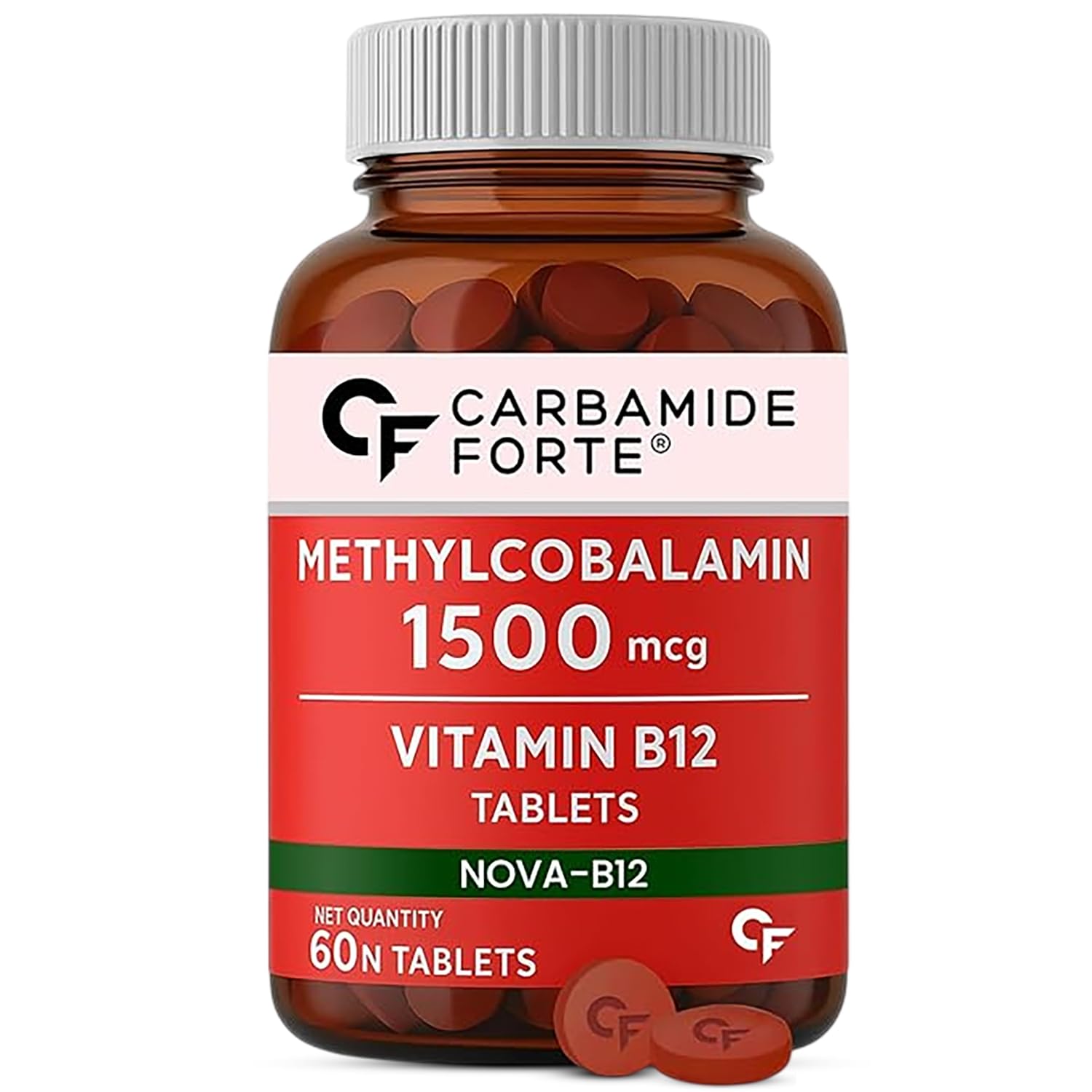
- Carbamide Forte B12 5000mcg - ₹499: High dose. Severe deficiency ke liye.
- GNC B12 1000mcg - ₹800: Imported. Vegetarian capsule.
- Becosules Z Capsule - ₹80: B-Complex + Zinc. Budget best.
Treatment Kya Hai? Injection ya Tablet?
- B12 Injection: Bahut zyada kami ho to. Hafte me 1 baar, 1 mahine tak. Turant asar.
- Sublingual Tablet: Zaban ke neeche rakhne wali. Absorption best. Roz 1000-1500mcg.
- Normal Tablet: Roz 500-1000mcg khane ke baad.
- B12 Spray: Naak me spray. Injection se dar lagta hai to.
Kitna Time: 1-2 mahine me energy. Nerve repair me 6-12 mahine.
B12 ki Kami Se Hone Wale Khatarnak Rog
- Pernicious Anemia: Khoon ki kami. Kamzori aur chakkar.
- Nerve Damage: Haath-pair me permanent sunnapan.
- Memory Loss: Alzheimer jese lakshan.
- Infertility: Purush aur mahila dono me.
- Heart Problem: Homocysteine badhne se heart attack ka risk.
10 Free Health Calculators
BMI, Protein Calculator, Calorie aur 7+ health tools free me.
Use All Tools Free →FAQs: Vitamin B12 Deficiency
1. Kya B12 zyada ho sakta hai?
Nahi. Pani wala vitamin hai. Extra peshab se nikal jata hai.
2. Kitne din me asar hota hai?
Tablet se 3-4 hafte. Injection se 1 hafte me energy.
3. Kya roz le sakte hain?
Haan. Vegetarian ko to roz lena chahiye.
4. B12 aur Iron me kya farak hai?
Dono khoon ke liye. Lekin B12 nerve ke liye bhi zaroori hai.
5. Kya hair fall thik hoga?
Haan. 2-3 mahine me hair fall 50% kam.
6. Kya pregnant le sakti hain?
Haan. Doctor se puch kar. Bache ke brain ke liye zaroori.
Final Verdict: Test Karwana Zaroori Hai
3 Golden Rules:
- Symptoms Pehchano: Thakaan + Jhanjhanahat = Test karwao
- Test: Har saal 1 baar B12 test, khaas kar veg wale
- Treatment: Doctor ki salah se supplement + Diet
Yaad rakho - B12 ki kami ignore mat karo. Ye choti problem badi nerve damage kar sakti hai. Agar upar wale 3-4 lakshan hain to aaj hi khoon test karwao.
Related Health Guides
Vitamin D Deficiency, Iron Deficiency Anemia, Thyroid Symptoms. Complete health guides yahan padho.
Read All Guides →Disclaimer: Ye jankari general hai. Koi bhi supplement lene se pehle doctor se consult karein.
Last Updated: 29 July 2026
Author: Md Babar, Founder MintAI.in